
Essential Maintenance Tips for Your Plumbing System
Regular maintenance is crucial for ensuring the longevity and efficiency of your plumbing system. Homeowners should schedule routine inspections to identify potential issues before they escalate into costly repairs. Simple tasks like checking for leaks, ensuring proper drainage, and maintaining water pressure can significantly extend the life of your plumbing infrastructure.
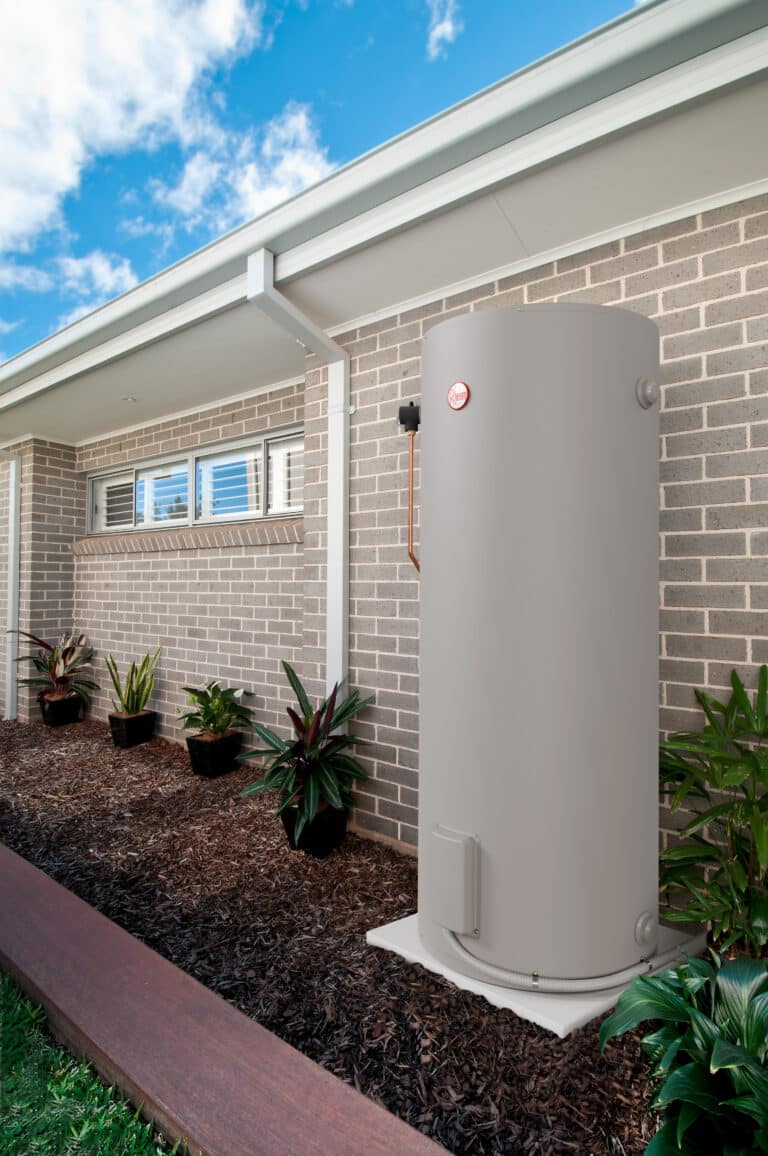
In addition to inspections, homeowners can perform basic maintenance tasks such as cleaning faucet aerators, replacing worn-out washers, and flushing the water heater annually. These proactive measures not only help in preventing major plumbing disasters but also contribute to the overall efficiency of your water usage, ultimately reducing utility bills.
Understanding Common Plumbing Issues and Solutions
Many homeowners encounter common plumbing issues such as leaky faucets, running toilets, and clogged drains. Understanding these problems and their solutions can empower homeowners to take swift action before they exacerbate. For instance, a leaky faucet can waste gallons of water and lead to higher bills, making it essential to address the issue promptly.
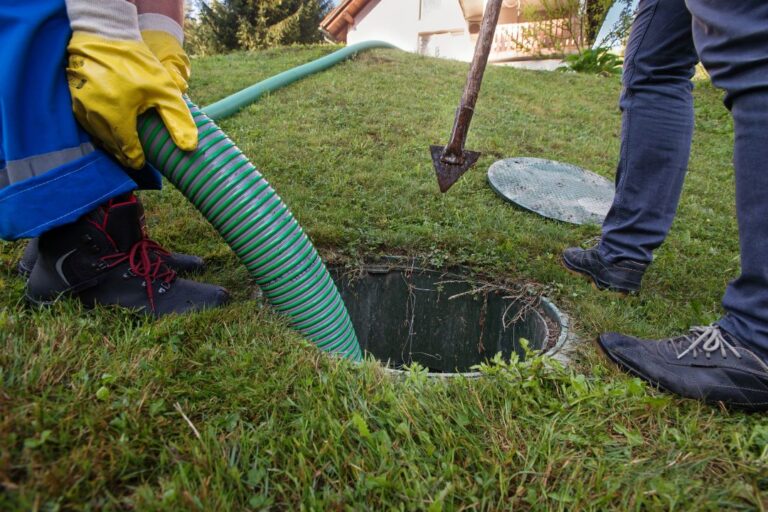
Solutions often involve simple DIY repairs, like replacing washers or using a plunger for clogs. However, for more complex issues such as pipe corrosion or sewer line problems, it's advisable to consult a professional plumber. Recognizing when to seek expert help is key to maintaining a functional and efficient plumbing system.
Choosing the Right Plumbing Fixtures for Your Home
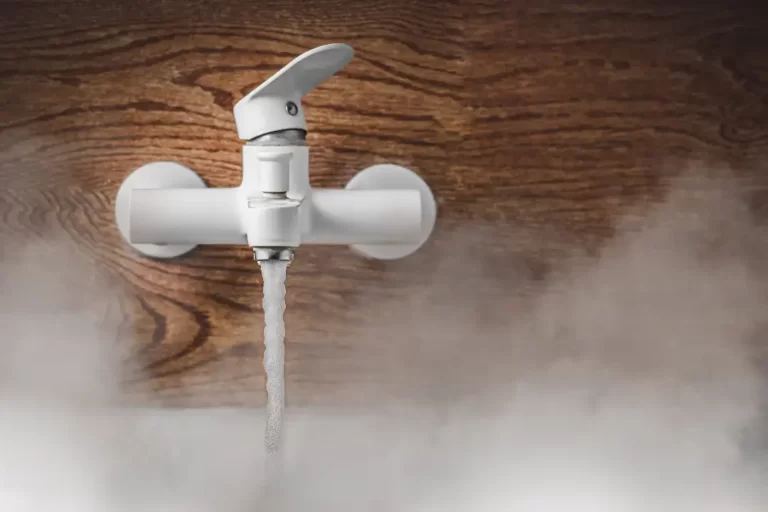
Selecting the right plumbing fixtures is essential for both functionality and aesthetics in your home. From faucets to showerheads, the choices available can significantly impact your daily experience and water consumption. Homeowners should consider factors such as water efficiency ratings, material quality, and design compatibility with existing decor when making their selections.
For example, opting for low-flow faucets and showerheads can lead to significant water savings without sacrificing performance. Additionally, investing in durable materials such as brass or stainless steel can enhance the lifespan of your fixtures, reducing the need for frequent replacements and repairs.
Emergency Plumbing Situations: What to Do
In the event of a plumbing emergency, knowing how to respond can save you time, money, and stress. Common emergencies include burst pipes, overflowing toilets, and severe leaks. The first step is to shut off the main water supply to prevent further damage and flooding. After that, assessing the situation can help determine whether a DIY fix is feasible or if professional assistance is required.
For example, if a pipe bursts, applying a temporary seal with tape can mitigate damage until a plumber arrives. Keeping emergency contact numbers for local plumbing services readily available can also expedite response times, ensuring that you can address the issue promptly and minimize disruption to your home.