Common Plumbing Myths Debunked
Many homeowners fall victim to common plumbing myths that can lead to costly mistakes. Understanding the truth behind these misconceptions is crucial for maintaining a healthy plumbing system. For instance, some believe that flushing non-biodegradable items is acceptable if they are small enough, but this can lead to significant clogs and damage.
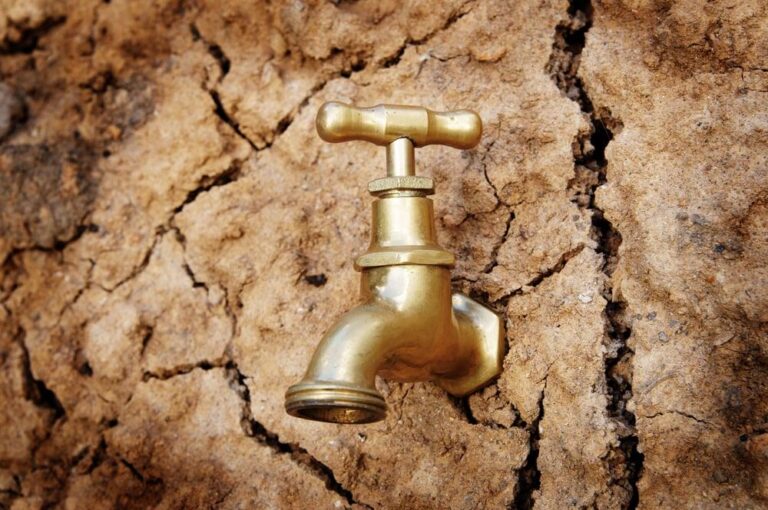
Another prevalent myth is that a leaky faucet is not a big deal. In reality, even a small drip can waste gallons of water over time, leading to higher bills and unnecessary water waste. By debunking these myths, homeowners can make informed decisions about their plumbing maintenance and repairs.
Top Signs You Need to Call a Plumber
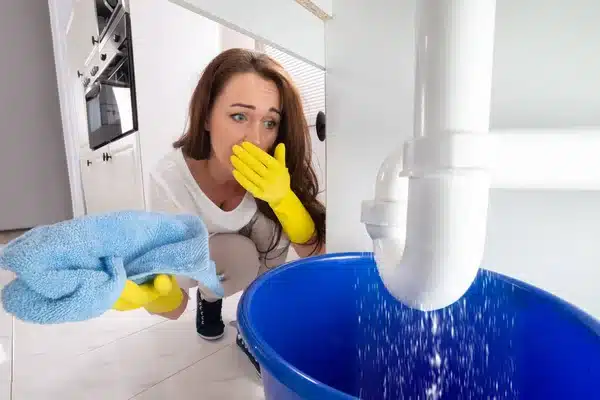
Recognizing the signs that indicate you need professional plumbing help can save you from more extensive damage and costs down the line. Common indicators include persistent leaks, strange noises from pipes, or water discoloration. If you notice any of these issues, it's time to reach out to a qualified plumber.
Additionally, if you experience frequent clogs or slow drains, it may signal a more significant problem within your plumbing system. Addressing these signs promptly can prevent emergency situations and ensure your plumbing operates efficiently.
Essential Plumbing Tools Every Homeowner Should Have
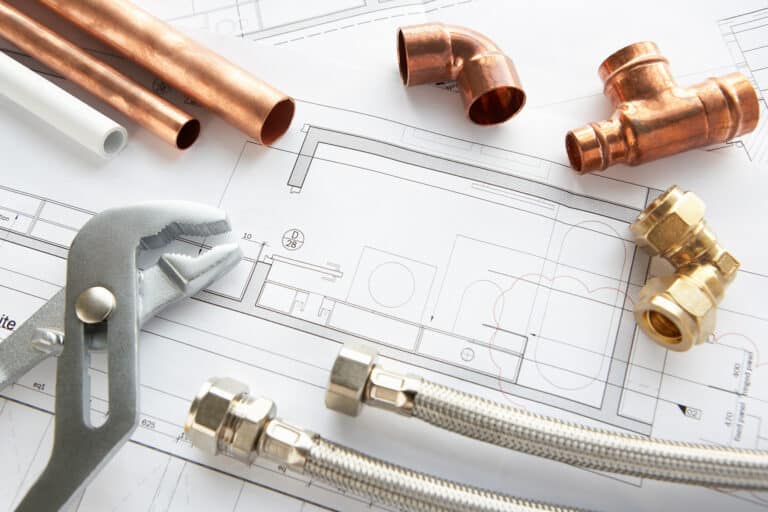
Having the right tools on hand can make minor plumbing repairs manageable for homeowners. Essential tools include a plunger, adjustable wrench, and a pipe wrench. These tools can help you tackle common issues like clogged drains or leaky faucets without needing to call a professional.
Moreover, investing in a quality plumbing snake can assist in clearing stubborn clogs, while a bucket and rags are useful for managing spills during repairs. Being equipped with these tools not only saves money but also empowers homeowners to handle basic plumbing tasks confidently.
Understanding Your Plumbing System: A Homeowner's Guide
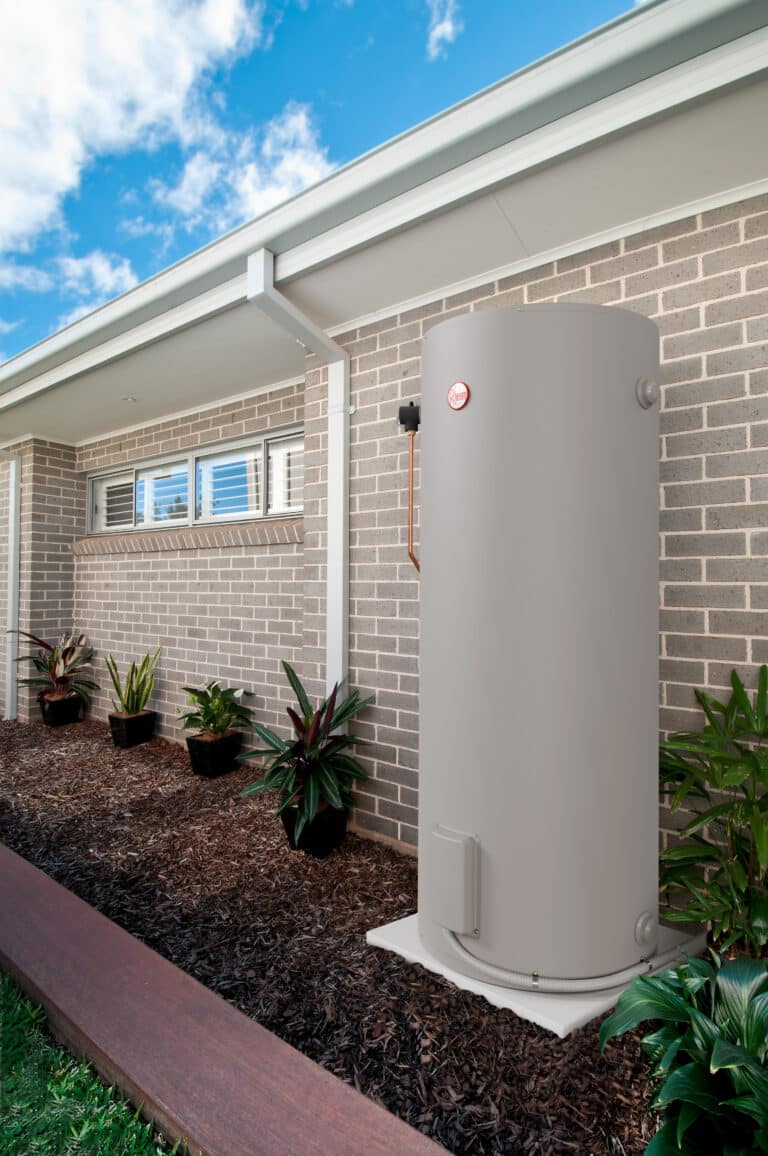
Having a basic understanding of your plumbing system is vital for effective maintenance and troubleshooting. This includes knowing the layout of your pipes, the location of shut-off valves, and how your water heater operates. Familiarity with these components can help you identify problems early on.
Additionally, understanding the differences between your home's plumbing systems, such as potable water lines and drainage systems, can aid in making informed decisions regarding repairs and upgrades. This knowledge can enhance your ability to maintain your plumbing efficiently and prevent costly repairs in the future.