
Energy Efficiency Ratings for Hot Water Systems
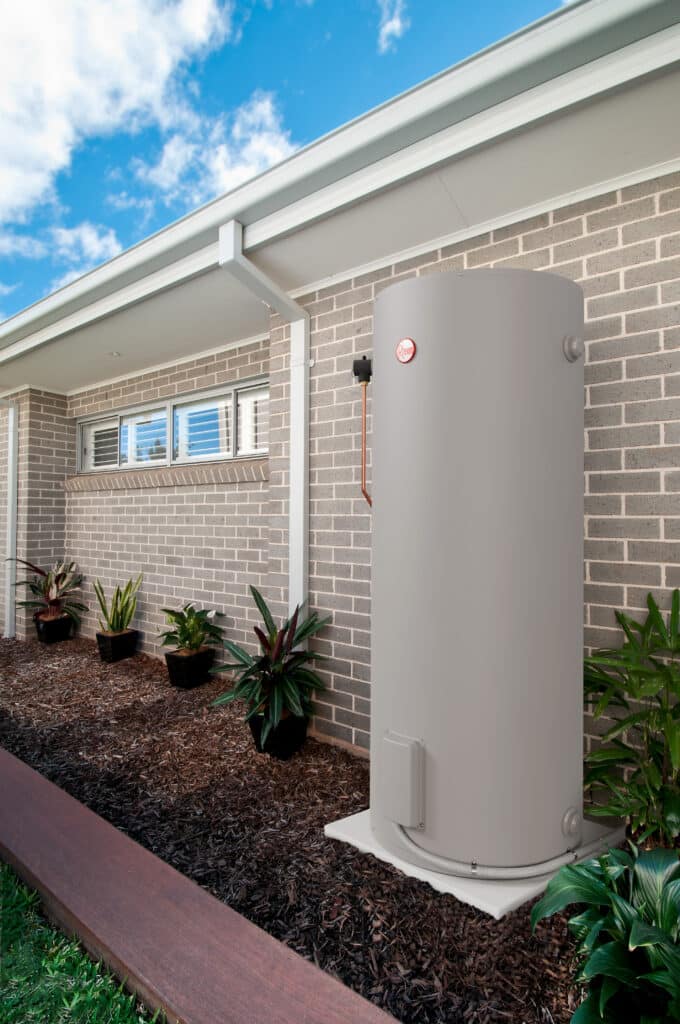
Understanding energy efficiency ratings is crucial when selecting a hot water system. These ratings indicate how effectively a system converts energy into hot water, helping consumers make informed decisions that can lead to lower utility bills and a reduced carbon footprint.
For instance, look for systems with high energy star ratings, as they typically offer better performance and efficiency. Many modern hot water systems are designed to minimize energy consumption while maximizing output, making them a smart choice for eco-conscious homeowners.
Common Hot Water System Problems and Solutions
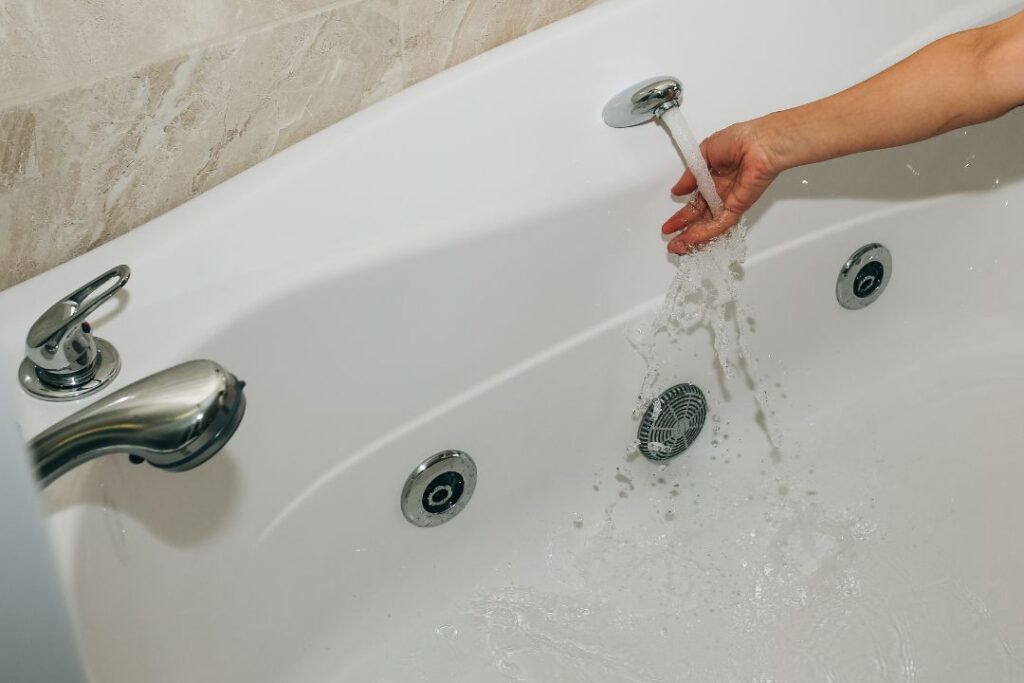
Hot water systems can encounter various issues over time, leading to inconsistent performance or complete failure. Recognizing common problems, such as sediment buildup or thermostat malfunctions, can help homeowners take proactive measures to maintain their systems.
For example, regular flushing of the tank can prevent sediment accumulation, while checking and replacing faulty thermostats can ensure the system operates efficiently. Understanding these issues allows users to address problems early, potentially saving on costly repairs.
Comparative Analysis of Electric vs. Gas Hot Water Systems
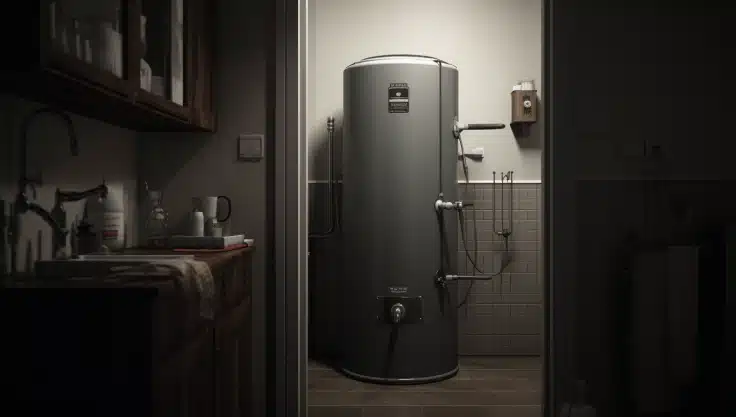
Choosing between electric and gas hot water systems is a significant decision for homeowners. Each type comes with its own set of advantages and disadvantages, influencing factors like installation costs, energy efficiency, and long-term operating expenses.
Electric systems are generally easier to install and maintain, while gas systems often provide faster heating times and lower operational costs in the long run. Evaluating the specific needs of your household and the availability of resources can help determine the best option for your situation.
Hot Water System Installation: What to Expect
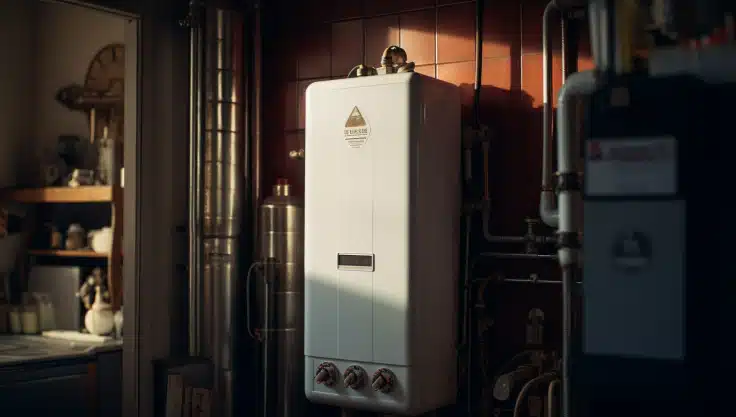
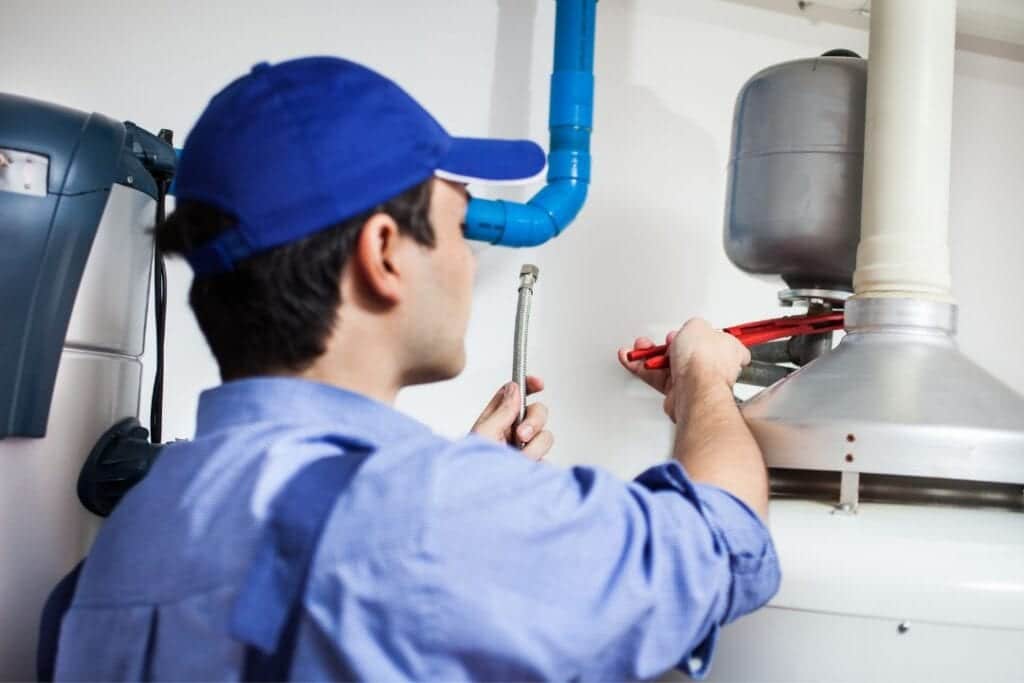
Installing a new hot water system involves several steps, from selecting the right model to ensuring proper installation by a qualified plumber. Homeowners should be aware of the process and potential challenges to prepare adequately.
Typically, the installation process includes removing the old system, setting up the new unit, and connecting it to existing plumbing and electrical lines. It's essential to hire a licensed professional to ensure compliance with local regulations and safety standards, ultimately providing peace of mind and optimal performance.